
Important Skills and Technologies Every Student Must Learn Today
Introduction
The world is changing faster than ever before. New technologies, automation, and artificial intelligence are transforming industries and creating new career opportunities. In this rapidly evolving environment, academic qualifications alone are no longer enough. Students must develop practical skills and technological knowledge to stay competitive and future-ready.
Whether you are in school, college, or pursuing professional education, learning the right skills today can significantly improve your career prospects tomorrow.
1. Digital Literacy
Digital literacy has become a basic requirement in almost every profession. Students should know how to:
- Use computers efficiently
- Work with Microsoft Office and Google Workspace
- Manage digital files and documents
- Use online collaboration tools
- Practice internet safety and cybersecurity
Digital skills are no longer optional—they are essential for education and employment.
2. Artificial Intelligence (AI)
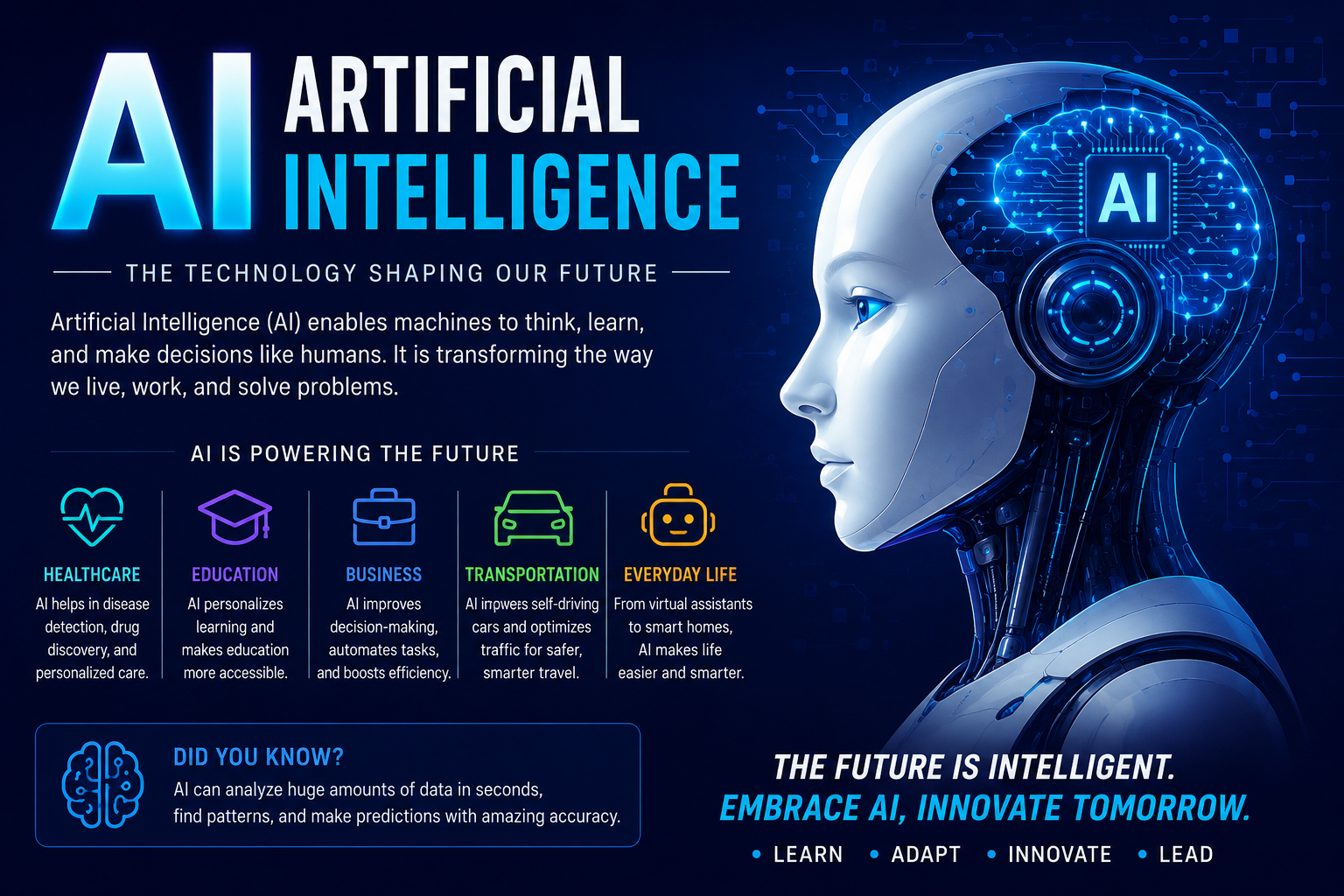
Artificial Intelligence is revolutionizing industries worldwide. Students should understand:
- Basics of AI and Machine Learning
- AI-powered tools like ChatGPT and Copilot
- Prompt engineering
- AI applications in business, healthcare, education, and marketing
Learning AI today can provide a significant advantage in the job market of the future.
3. Communication Skills
Strong communication skills are among the most sought-after qualities by employers.
Students should focus on:
- Public speaking
- Presentation skills
- Professional email writing
- Interview communication
- Business communication
The ability to express ideas clearly can open doors to leadership and career growth.
4. Data Analysis and Data Literacy
Data is often called the “new oil.” Organizations increasingly rely on data to make decisions.
Students should learn:
- Microsoft Excel
- Google Sheets
- Data visualization
- Basic statistics
- Data interpretation
Even non-technical careers now require an understanding of data.
5. Coding and Programming
Programming is one of the most valuable technical skills in today’s economy.
Popular programming languages include:
- Python
- JavaScript
- Java
- C++
Coding helps students develop logical thinking and problem-solving abilities.
6. Cybersecurity Awareness
As digital usage increases, so do cyber threats.
Students should understand:
- Password security
- Online privacy
- Phishing attacks
- Safe internet practices
- Data protection
Cybersecurity awareness is important regardless of career choice.
7. Problem-Solving and Critical Thinking
Employers value people who can analyze situations and find effective solutions.
Students should develop:
- Analytical thinking
- Decision-making skills
- Creativity
- Adaptability
- Strategic thinking
These skills remain valuable even as technology continues to evolve.
8. Financial Literacy
Understanding money management is a life skill every student should possess.
Important topics include:
- Budgeting
- Saving and investing
- Personal finance
- Tax basics
- Digital payments
Financial literacy helps students make informed decisions throughout their lives.
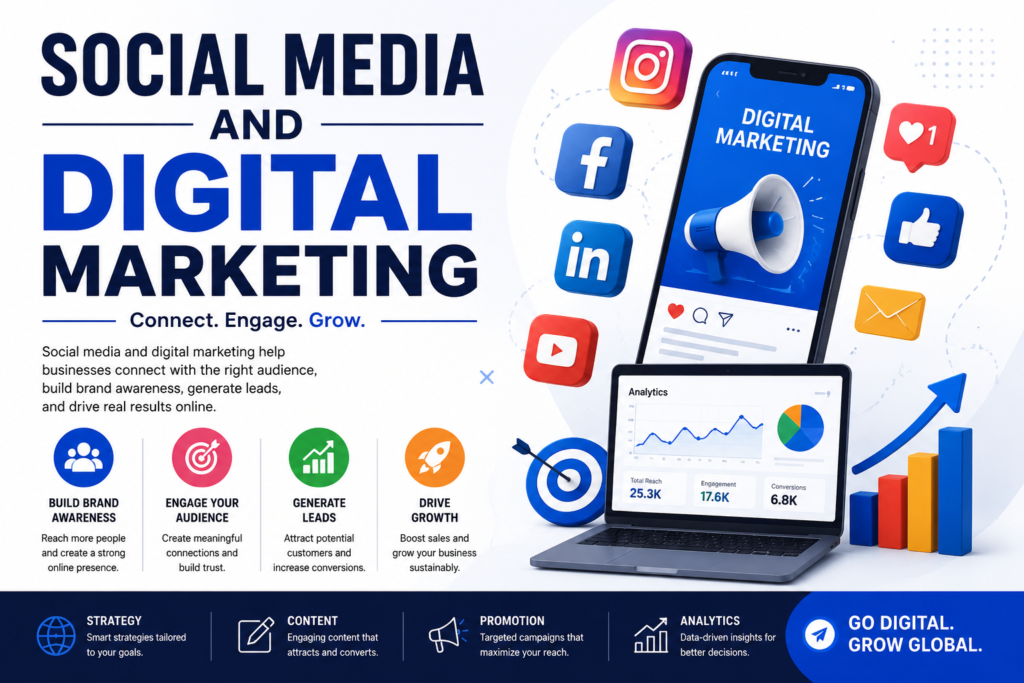
9. Social Media and Digital Marketing
Businesses increasingly rely on digital platforms to reach customers.
Students can benefit from learning:
- Social media management
- Content creation
- Search Engine Optimization (SEO)
- Digital advertising
- Personal branding
These skills can create both employment and entrepreneurship opportunities.
10. Adaptability and Continuous Learning
Technology changes rapidly. The most successful professionals are those who continue learning throughout their careers.
Students should develop a mindset of:
- Lifelong learning
- Curiosity
- Flexibility
- Self-improvement
- Professional development
The ability to learn new skills quickly will remain one of the most important career assets.
Conclusion
The future belongs to students who combine academic knowledge with practical skills and technological expertise. Digital literacy, AI, communication, coding, data analysis, cybersecurity, and financial literacy are no longer optional—they are becoming essential for success in the modern workforce.
Students who start learning these skills today will be better prepared for tomorrow’s opportunities, challenges, and careers. Investing in these competencies now can create a strong foundation for long-term personal and professional growth.
Remember:
Degrees may get you an interview, but skills and technology knowledge help build a successful career.